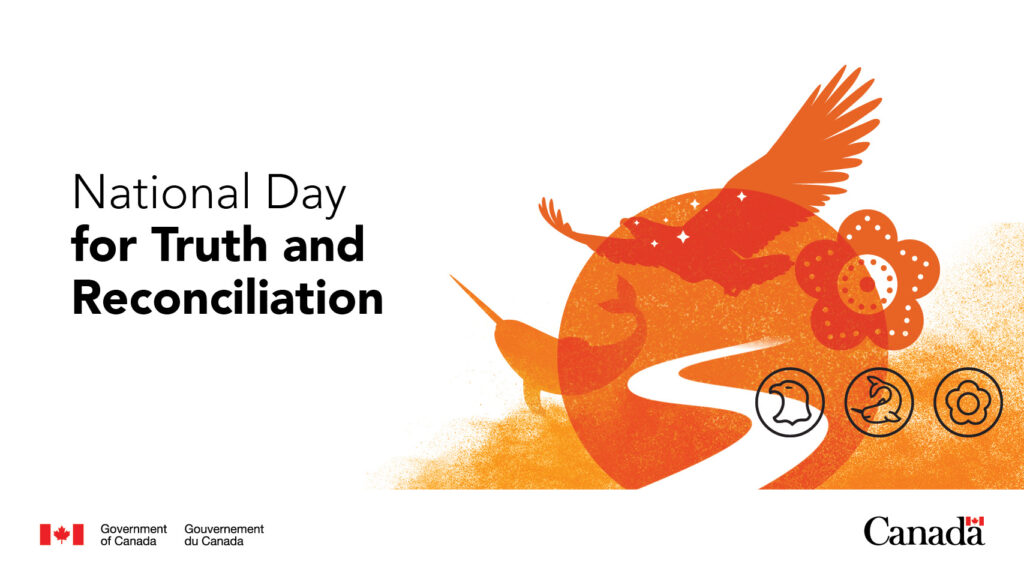
Each year, September 30th marks the National Day for Truth and Reconciliation.
There were 140 federally run residential schools in Canada that operated between 1867 and 1996. Survivors advocated for recognition and reparations and demanded accountability for the intergenerational impacts of harm caused.
The Truth and Reconciliation Commission ran from 2008 to 2015 and provided those directly or indirectly affected by the legacy of the residential schools policy with an opportunity to share their stories and experiences. The Commission released its final report detailing 94 calls to action. The National Day for Truth and Reconciliation is a direct response to Call to Action 80, which called for a federal statutory day of commemoration.
The National Centre for Truth and Reconciliation in Winnipeg has become the permanent archive for the statements, documents and other materials the Commission gathered.
CARP invites you to learn more.
Chapter Focus
 The Winnipeg CARP Chapter has been working in concert with a network of stakholders in support of an Office of the Seniors Advocate for the province of Manitoba, including Aboriginal Council of Winnipeg and the Indigenous Seniors Research Project.
Chapter Chair, Carmen Nedohin says, “we have worked very closely with the Indigenous Seniors Project on working towards and securing a Legislated Independent Seniors Advocate. We have learned much from them as they represent their cohort.”
The Winnipeg Chapter plans to continue promoting authentic engagement in decision-making by developing plans in partnership with Indigenous communities in future advocacy priorities, such as affordable housing. “As an advocacy organization that works on behalf of older Canadians, we are well aware that Indigenous seniors have a particular set of concerns that should be heard. CARP advocates for all Canadian seniors. But not all Canadian seniors experience, for example, the health care system the same way. Not all seniors are afforded the same financial advantages. It’s important for the Winnipeg Chapter to work alongside the Indigenous Seniors Project and other groups, so that Indigenous seniors can have their voices heard within the context of key advocacy concerns for older Canadians.”
Read a report on Indigenous Seniors in Canada