National Seniors Day: Celebrate Our Contributions. Demand Better.
By Anthony Quinn, President, CARP
October 1, 2026
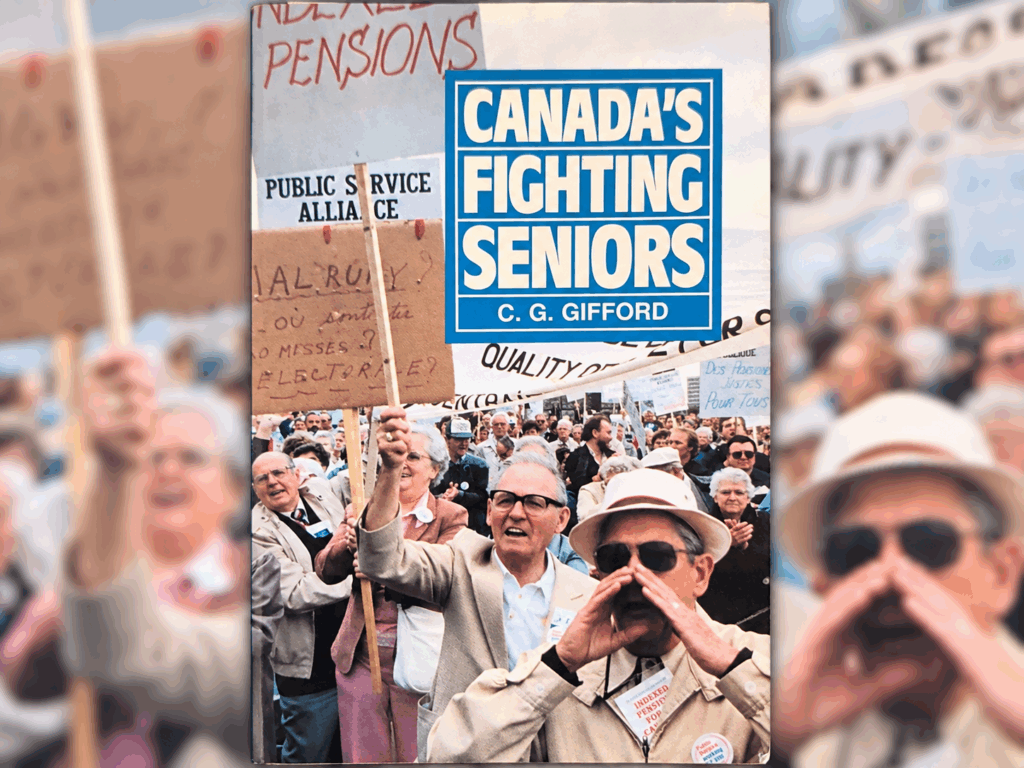
I recently read Canada’s Fighting Seniors, C.G. Gifford’s history of the rise of the seniors movement in Canada. When this book came out, CARP was a nascent organization. Today we are the largest national voice for seniors in the country – and we’re glad to have you with us on this National Seniors Day. Keep telling your friends and family to join us in the fight.
National Seniors Day is a day to recognize the people who helped bring Canada to where it is today. Our elders, mentors, volunteers, caregivers and grandparents have built businesses, raised families, strengthened communities and made sacrifices that younger generations benefit from every day.
Those contributions have not stopped because someone turned 65, 75 or 85.
The face of aging has changed. Longer lives, the end of mandatory retirement in many workplaces, and the determination of older adults to stay engaged have changed what later life can be. CARP has helped push that change. Seniors continue to work, create, care for others and lead.
Today, we should celebrate that. But we should also demand better!
A thank-you is not a substitute for a funded plan and a strategy to implement.
A Seniors Day proclamation does not pay for a shingles vaccine, provide home care or make a community easier to live in.
So, let National Seniors Day be a day of action, as well as a day of celebration.
Don’t turn generations against each other
The current Maclean’s cover story, “The Great Generational Rip-Off,” puts baby boomers on one side of a fight and younger Canadians on the other. Its language of “hoarding” wealth feeds a familiar accusation: seniors are rich, greedy and standing in the way of their children and grandchildren.
That is a caricature, not a serious answer to Canada’s problems.
It’s only logical that people accumulate assets over time. Retirement also brings a different reality: drawing down savings, paying for care and trying to make an income last. Owning a home does not mean having cash to cover every bill. And many older Canadians do not own a home at all.
Younger Canadians face real pressures, from housing costs to wages to the expense of raising a family. Those problems deserve serious policy answers. Blaming an entire generation does not provide them.
Nor should those pressures become an excuse to weaken Old Age Security. Think about what roughly $25 a day means to a senior relying on a full standard OAS pension. For some, that money is part of the line between dignity and poverty: medication or another unpaid bill, help at home or going without.
We should debate public spending honestly. That means accurate numbers, a clear account of who would lose support, and no pretending that every retiree is wealthy.
Canada has enough headwinds; with separatist/provincial independence movements, trade and tarrif wars, the hollowing out of our manufacturing sector, the rise of antisemitism and hate and a decade of economic malaise. The last thing we need is adult children fighting with their parents and grandparents. We should be working together to raise all boats.
Wisdom does not have an expiry date
The municipal elections in Ontario and BC offer another reminder that older adults remain a force in public life. In BC there are several incumbent city councillors on the ballot. In Oakville, ON, incumbent Mayor Rob Burton, who turns 80 this year, is seeking another term. In Milton, ON incumbent Mayor Gord Krantz is running again at 89. In Mississauga, ON incumbent Mayor Carolyn Parrish turns 80 on October 3 and is also seeking re-election.
Some politicians grow older while serving in office. Others bring decades of experience to a new role later in life. Incumbency can be an advantage, but it is not a qualification on its own. Neither is youth. The test should be the quality of the candidate and the work they do.
As I said when introducing my Born Yesterday podcast, older Canadians embrace the wisdom they have gained over the decades. We weren’t born yesterday. That experience should not be dismissed at the ballot box.
Ask whether a candidate has good judgment. Whether they listen. Whether they understand the community, do the work and deliver results. Look at wisdom, experience, ability and merit.
Age alone should never disqualify someone from elected leadership. It should not entitle them to keep a seat, either.
This is an opportunity for younger voters, too. Engage. Make choices in your best interests. Challenge incumbents and give new candidates a fair hearing. But do not discount someone simply because of their age. Judge the person, the record and the plan.
Recognizing experience and demanding accountability belong together.
Put seniors’ priorities on the ballot
Municipal decisions shape daily life: property taxes, housing, transit, accessible streets, community programs and whether residents can stay connected as they age.
Ask candidates what an age-friendly community means in their budget, not just in their campaign brochure. Will seniors have a meaningful voice in decisions? Can people get around safely? Can they afford to remain in their homes? Are services keeping pace with a growing older population?
At the provincial level, ask about health care, vaccinations, home care, long-term care and prevention.
In British Columbia, CARP’s chapters are calling for a funded long-term care plan, affordable property-tax deferral and publicly funded, expert-recommended vaccines. As Doug Jones told the Vancouver Sun this week, more than 7,000 seniors are waiting for long-term care, with average waits approaching ten months.
A promise of beds is not enough. We need staff, deadlines and support for people who can remain at home. A home is not the same thing as an income. Making tax deferral more expensive does not put money in a senior’s pocket. And prevention should not depend on whether someone can afford hundreds of dollars out of pocket.
Ask every party the same questions: What is funded? Who qualifies? When will it happen?
Keep the responsibilities clear. Municipalities, provinces and Ottawa have different jobs. OAS is federal. But every level of government should expect to answer for its record.
Elections are an opportunity to act
There are several chances to make that message heard before the year is out:
- Quebec’s provincial election is scheduled for October 5.
- British Columbia holds general local elections on October 17 and its provincial election on October 24.
- Ontario’s municipal and school board elections are on October 26.
- Manitoba’s general municipal and school board elections are on October 28.
- Prince Edward Island’s general municipal elections are on November 2.
- Saskatchewan votes for councillors in even-numbered rural municipal divisions on November 9.
There are local votes in the North as well, including Yellowknife on October 19 and elections in several Northwest Territories hamlets on December 14. Check your local election office for candidates, registration and voting arrangements.
Read the platforms. Attend a debate. Ask a question. Talk with your children and grandchildren about the choices ahead. Vote, and stay engaged after election day.
Hold policymakers accountable. If they have not been accountable, change them.
National Seniors Day should be more than a day when Canadians thank older people for what they did yesterday. It should recognize what we contribute today and the future we still have a right to shape.
Celebrate seniors. Reject ageism. Demand a funded plan. And make your vote count!